

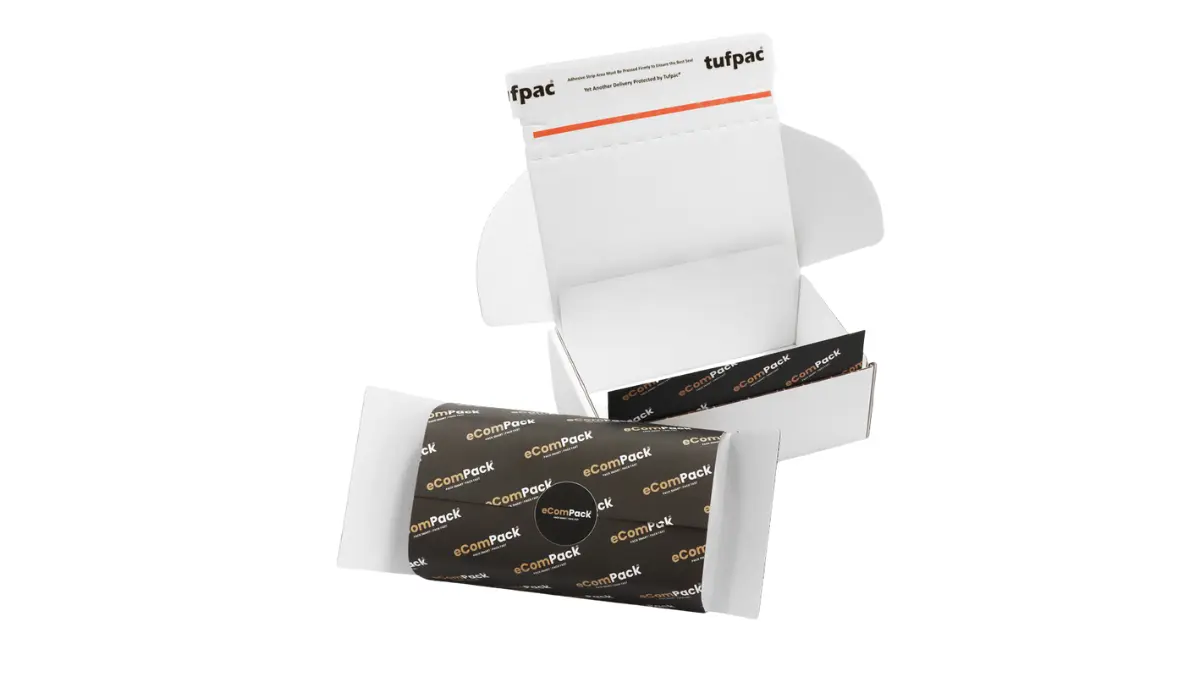
Datec pushes paper retention packs for greener eCommerce
Mon, 12th Jan 2026.webp)
Datec Packaging has set out a push for wider use of its eComPack all-paper retention packaging system as UK eCommerce retailers reassess packaging amid sustainability scrutiny, rising fulfilment costs and customer expectations around recyclability.
The company positions packaging as a factor in warehouse efficiency and consumer sentiment. It argues that conventional eCommerce packs often combine oversized boxes and multiple materials. It says this mix can add handling time and leave customers with packaging that is harder to recycle.
Operational pressure
Ecommerce fulfilment operations face growing order volumes and tighter labour conditions. Retailers also face higher transport and storage costs. Packaging choices sit alongside picking, packing and returns as levers for cost control.
Many online retailers still rely on carton sizes designed for broad use. Warehouse teams then add void fill to limit movement in transit. That approach can increase the number of steps per order. It can also increase material usage per shipment.
"At a time when eCommerce fulfilment teams are being asked to do more with less, packaging that slows down the process or creates waste is increasingly hard to justify," notes one eCommerce operations consultant familiar with the sector.
Customer perception also plays a role. Retailers monitor reviews and customer service contacts for recurring complaints. Packaging waste and the use of plastics often feature in negative feedback. Brands also face increasing expectations on the clarity of recycling instructions.
Retention design
Datec Packaging describes eComPack as a retention-style format. It uses a folded paper structure to hold products in place. The approach seeks to reduce the need for separate cushioning materials.
The company says eComPack is a patent-pending system made from paper and cardboard. It positions the format as an alternative to multi-material packs that combine corrugated boxes with plastic air pillows or foam.
A packaging industry analyst described the category's appeal for transit protection and process simplification. "Retention-style packaging is particularly well suited to eCommerce because it reduces both movement in transit and material complexity," says a packaging industry analyst. "Done well, it can improve damage rates while also streamlining the packing process."
Damage rates and returns sit at the centre of many fulfilment cost models. Retailers track the cost of replacement items, reverse logistics and customer support time. Packaging that reduces movement in the parcel can affect those metrics, although results vary by product type and carrier handling.
Recyclability focus
Datec Packaging places recyclability at the centre of its message around eComPack. It says the system is plastic-free and printed using water-based inks. It says customers can dispose of it through standard household recycling streams.
Retailers increasingly face internal targets linked to packaging weight, recycled content and the removal of certain materials. Many also publish sustainability reports that include packaging metrics. That reporting can create demand for packaging formats that use fewer components.
"Reducing packaging waste isn't just about switching materials - it's about designing out unnecessary components altogether," said Glenn Izard, Sales Manager, Datec Packaging. "By eliminating void fill, eComPack helps businesses reduce both waste and complexity in one step."
Warehouse workflow
Fulfilment operations often measure packing time per order, training time for new staff and the number of stock-keeping units on packing benches. Datec Packaging says eComPack targets faster assembly and repeatability. It also says a single format can cover multiple item sizes through folding.
The company also argues that fewer packaging SKUs can simplify replenishment on the warehouse floor. It says this can reduce stockouts at packing stations and reduce the need for staff to switch between materials.
"Every extra step in the packing process adds up at scale," notes a fulfilment manager at a mid-sized UK eCommerce retailer. "Packaging that's faster to use can have a noticeable impact on productivity, especially during seasonal spikes."
Peak periods add stress to packing lines. Retailers often hire temporary staff and run extended shifts. Simpler packing processes can reduce error rates. They can also improve consistency across teams.
Brand touchpoint
Packaging has also become a customer experience touchpoint for online brands. Retailers use pack design to reinforce branding and product presentation. They also use it to convey recycling guidance.
Datec Packaging says eComPack presents products "neatly and securely" when opened. It also highlights options for custom printing. That can cover seasonal artwork and brand messaging.
"Unboxing is one of the few physical interactions an online brand has with its customers," says a retail CX specialist. "Packaging that looks considered and sustainable can reinforce trust and brand value in a way generic packaging can't."
Datec Packaging says it expects demand for purpose-built eCommerce packaging formats to rise as retailers align packaging choices with operational efficiency targets, sustainability requirements and customer experience priorities.