

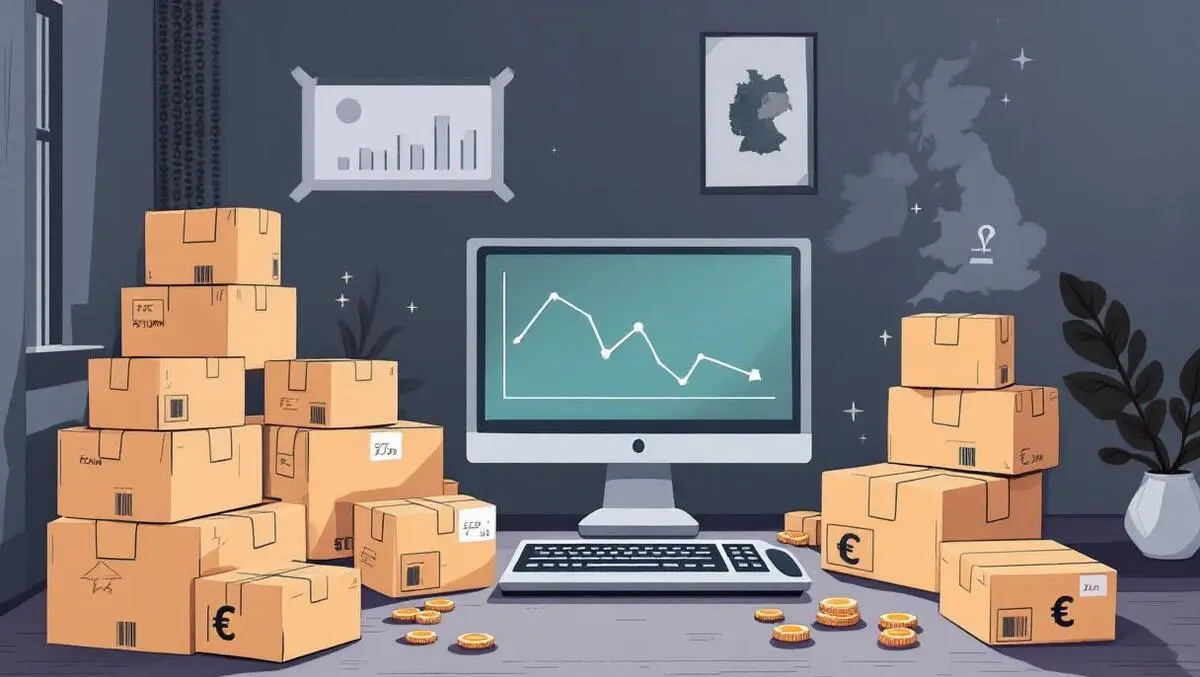
Cross-border returns hit eCommerce cashflow & risk
Thu, 19th Mar 2026.webp)
Cross-border eCommerce returns are rising on the corporate agenda as online marketplaces tighten rules on refund timing and seller responsiveness, increasing the working-capital risks tied to international fulfilment.
Returns have traditionally been managed by logistics teams. Now, platform policies increasingly dictate how quickly sellers must handle return requests and how fast refunds are issued from a seller's account. This shift affects cashflow planning and pricing, particularly for merchants selling through large European marketplaces.
In fashion marketplace segments, industry estimates put return rates between 30% and 80%. At those levels, unit economics can shift sharply-especially when marketplaces set dispute terms, response deadlines, and refund triggers.
Amazon's policies show how rule changes can affect margin recovery, particularly on low-value items. Products priced below €25 or £20 may qualify for a refund without being returned, leaving sellers to lose both revenue and inventory if the shopper keeps the goods.
Amazon has also tightened service-level expectations in parts of Europe. From 2025, sellers in Germany and the UK must respond to return requests within three days. If they miss that window, Amazon can issue a refund and charge the seller's account.
Return rates vary
Category mix and sales model drive wide differences in return behaviour. Data from one European cross-border corridor suggests international selling does not automatically lead to high return volumes. In the Poland-UK corridor, the average return rate recorded in 2025 was 2.8%, based on a dataset of 502 internationally active sellers.
The same dataset suggests fashion-led marketplace trading follows a different pattern from categories such as home, beauty, or garden. In apparel and footwear, size and fit issues often drive repeat ordering and multiple-item selection, pushing return ratios higher.
Return windows add another layer of complexity. Across much of Europe, retailers often exceed the statutory 14-day minimum. Thirty-day return periods are common, and some retailers accept returns up to 60 days after purchase.
Longer return periods make forecasting harder. They delay revenue settlement and extend the period in which stock remains uncertain. Returned goods may re-enter inventory late, arrive in unsaleable condition, or require additional processing.
"Return volume alone does not determine financial exposure. The duration of the return cycle and the platform's refund framework often have a greater impact on liquidity," said Paweł Zakielarz, Founder of Global24 and Shopreturns.
Marketplace exposure
Marketplaces increasingly fold returns into broader account health and seller evaluation. Late responses, dispute patterns, and refund behaviour can affect performance metrics. Costs can also rise when sellers lack local return infrastructure in destination markets.
In several European markets, local return addresses have become a standard expectation. An analysis of 133 large online retailers across nine European countries found that about 70% of retailers in Germany operate with a local return address.
Without that infrastructure, sellers often pay more for reverse shipping and may lose control over processing speed and condition assessment. Those factors matter most when a marketplace applies automated refund rules.
Amazon's "returnless refund" model is one example of how marketplaces can prioritise economics and customer experience over physical recovery. When reverse shipping is deemed inefficient, the platform can refund the customer without requiring the product to be sent back.
"Return management is increasingly connected to account performance metrics. It is not isolated from visibility or operational evaluation on marketplaces," said Wojciech Kotlicki.
Beyond transport costs, sellers may face lost inventory value, faster refund timelines, and capital tied up in reverse logistics. Returns can also affect seller performance indicators when platforms treat them as a proxy for service quality.
Liquidity pressures
Cross-border returns add time and administrative steps that do not always align with marketplace refund schedules. International transport can take longer than domestic movements, and some corridors require customs documentation and compliance checks. These processes can delay when goods return to saleable stock.
Refunds, by contrast, often follow preset marketplace timelines and service levels. That mismatch can compress cashflow and increase financing needs-especially for sellers with thin margins, high-return categories, or rapid growth across multiple markets.
"In cross-border trade, return processing speed affects capital rotation. That makes return policy a financial planning consideration, not only an operational one," said Zakielarz.
Boards overseeing international expansion are paying closer attention to unit-level return economics and the policy environment on each marketplace. Key variables include the full cost per returned item by market, the effect of platform rules on refund timing, and the number of days capital remains tied up in reverse logistics.
Global24 operates in cross-border eCommerce logistics across Europe and develops return infrastructure under its Shopreturns brand. It positions local return addresses and processing hubs as a way to shorten return cycles and reduce reverse-shipping costs for sellers operating across European marketplaces.
"Return volume alone does not determine financial exposure. The duration of the return cycle and the platform's refund framework often have a greater impact on liquidity," said Zakielarz.
As European cross-border commerce matures, sellers face a more complex environment in which return windows, service levels, and automated refund mechanisms continue to shape pricing, liquidity planning, and marketplace compliance.