

Black Friday UK footfall dips 3% as shoppers seek better deals
Thu, 4th Dec 2025
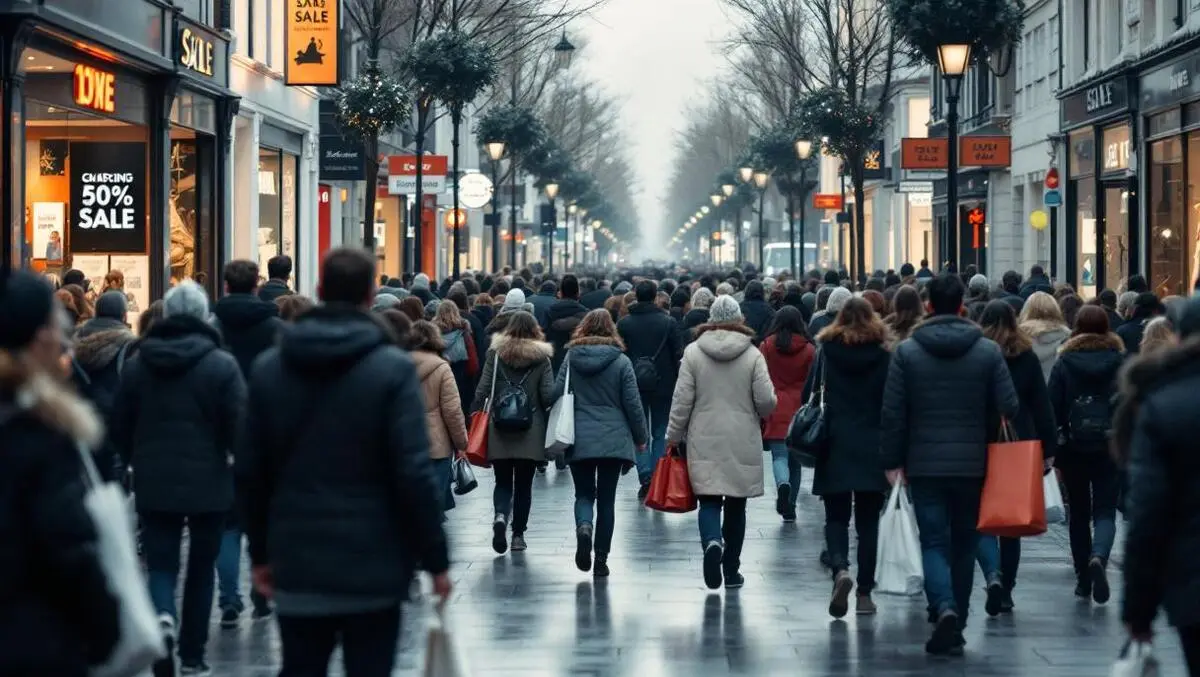
Shopper footfall on Black Friday in the UK fell by 3% year-on-year as cost-of-living concerns and uncertainty around government policy led to subdued in-store activity, according to data from Sensormatic Solutions' ShopperTrak Analytics. Despite this annual decline, in-store visits surged by 54.9% compared with the previous week, reflecting continued consumer interest in Black Friday promotions.
Pre-Black Friday trends
The week leading up to Black Friday saw a minor rise in shopping activity, with footfall up 1.1% compared with the same period in 2024. High street stores performed particularly well, registering a 2.8% year-on-year increase in visitor numbers. ShopperTrak data showed that visits on Black Friday were also 78.5% higher than the average of the two preceding Fridays, highlighting the event's influence on consumer behaviour in the retail sector.
Destination differences
Retail parks emerged as one of the best-performing retail destinations, posting a marginal 0.2% year-on-year gain in store visits on Black Friday. Shopping centres experienced a substantial uplift, with footfall up 63.8% week-on-week compared to the previous Friday. While retail parks attracted more stable year-on-year volumes, shopping centres captured a greater surge in interest from shoppers seeking Black Friday deals.
Impact of consumer caution
Analysts linked the decline in Black Friday footfall to persistent consumer caution and reduced purchasing power. Concerns were heightened by the Autumn Budget announcement, which was delivered just two days before Black Friday. This economic backdrop appeared to temper demand and delay purchasing decisions for many shoppers.
"Consumer caution is disrupting demand patterns, shifting buying behaviours and creating spend hesitancy. This is due in part to the ongoing uncertainty surrounding the Autumn Budget, which landed just two days before Black Friday," said Andy Sumpter, EMEA Retail Consultant, Sensormatic Solutions.
Demand for discounts
Sensormatic Solutions' survey findings indicated that retailers can expect cautious shopper engagement during the Black Friday and Cyber Monday (BFCM) period. Around 70% of surveyed UK consumers said they planned to visit a store during the Black Friday period. However, 73% expected to spend more time searching for discounts, up four percentage points from last year. This suggests shoppers are increasingly selective, delaying purchases until they are convinced they have secured the best offers.
Some retailers extended BFCM promotions earlier than in previous years, a trend aimed at attracting footfall ahead of the main event. However, many consumers opted to wait until Black Friday itself or the following weekend to finalise purchases, as sentiment remained cautious despite broader promotional activity.
"Even though many retailers started their BFCM promotions early as is now tradition, many shoppers are still holding out for the best deal. Retailers will need to react dynamically to drive up demand whilst balancing out the margin implications of deep discounting," said Sumpter.
Peak season outlook
Looking ahead, Sensormatic Solutions forecasts that the Black Friday weekend will continue to attract shoppers to physical stores. Saturday is projected to be among the busiest in-store shopping days of the peak trading period. Additional surges in footfall are also expected throughout December, particularly in the week before Christmas and on the final shopping days leading up to the holiday.
UK spending for the Black Friday weekend is projected to reach GBP £9.5 billion, an increase of 4.2% over last year's levels, supported by expectations of late demand from shoppers who delay purchases in search of further discounts.
"However, despite a mixed start, retailers have cause for cautious optimism, with polling suggesting it's a case of 'when' not 'if' consumers will buy. Retailers will be counting on shoppers hitting the High Street as we head into the rest of the Black Friday weekend, hoping to capitalise on sales," said Sumpter.