Digital marketing stories
Travel operators could cut acquisition costs by using postcode-level TV targeting to reach higher-value bookers in key airport catchments.
As AI content floods the market, tech marketers are being urged to rebuild trust by refocusing on audience insight and human connection.
A data overhaul has let the club remove more than 460,000 duplicate fan records and turn match events into campaigns in under 15 minutes.
Poorly reviewed AI content can now damage brand trust, trigger factual or legal risk and make organisations look careless to customers.
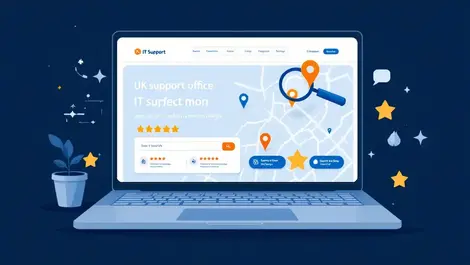
Local search visibility is still weak for many IT support firms, with 68% of UK sites omitting their location from homepage titles.
Fewer than four in 10 suppliers on Google's first page were cited by AI assistants in a UK study of 200 buyer questions.
English AI checks can miss the local rivals German and French buyers actually see, with local-language answers drawing on different sources and brands.
A breach at one martech vendor can now put hundreds of client sites at risk, and most firms lack the protections to stop it.
More enterprise buyers are now making security proof a condition of software deals, prompting Upfluence to secure independent validation of its controls.
A solo operator says AI agents can save hours and cut errors, but only if humans still approve anything that leaves the building.
In a study of 2,000 websites, the median brand appeared in just 16% of AI answer-engine responses, with links in only 6%.
Australian small businesses can gain enquiries faster as Ground Zero Concepts channels quote requests through its removalist and cleaning comparison sites.
Nearly half of active AI-using shoppers in Australia now begin product searches with AI answers, raising a measurement gap for brands.
Single-run AI visibility checks can mislead marketers, because the brands named change by query, language and assistant from one minute to the next.
The multilingual push is designed to help the B2B platform attract more suppliers and compete with bigger rivals in global trade.
By unifying supporter data, the club can now react to matchday moments with personalised marketing in under 15 minutes, rather than 48 hours.
Teens are shaping brand loyalty and household spending now, with 41% of purchases teen-decided and parent-funded, researchers say.
Brands risk missing a growing spending power online as older consumers increasingly engage with social platforms and influencer content.
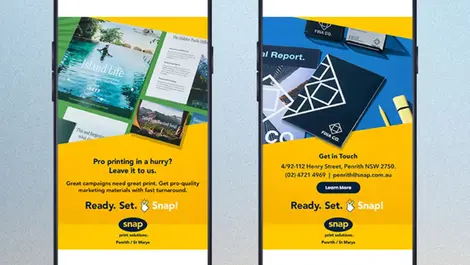
The campaigns brought Snap more local enquiries and sales leads by targeting customers in nearby trading areas instead of broad online audiences.
Teams using AI well are cutting data processing time by 66%, freeing marketers to focus on strategy rather than repetitive tasks.