

Sessions hits 5m orders as virtual kitchens fuel growth
Fri, 6th Mar 2026.webp)
Sessions has passed the milestone of five million orders, as the distribution engine for restaurant brands, which turns loved food businesses into national franchises, pitches alternative growth routes for independent restaurants facing higher operating costs.
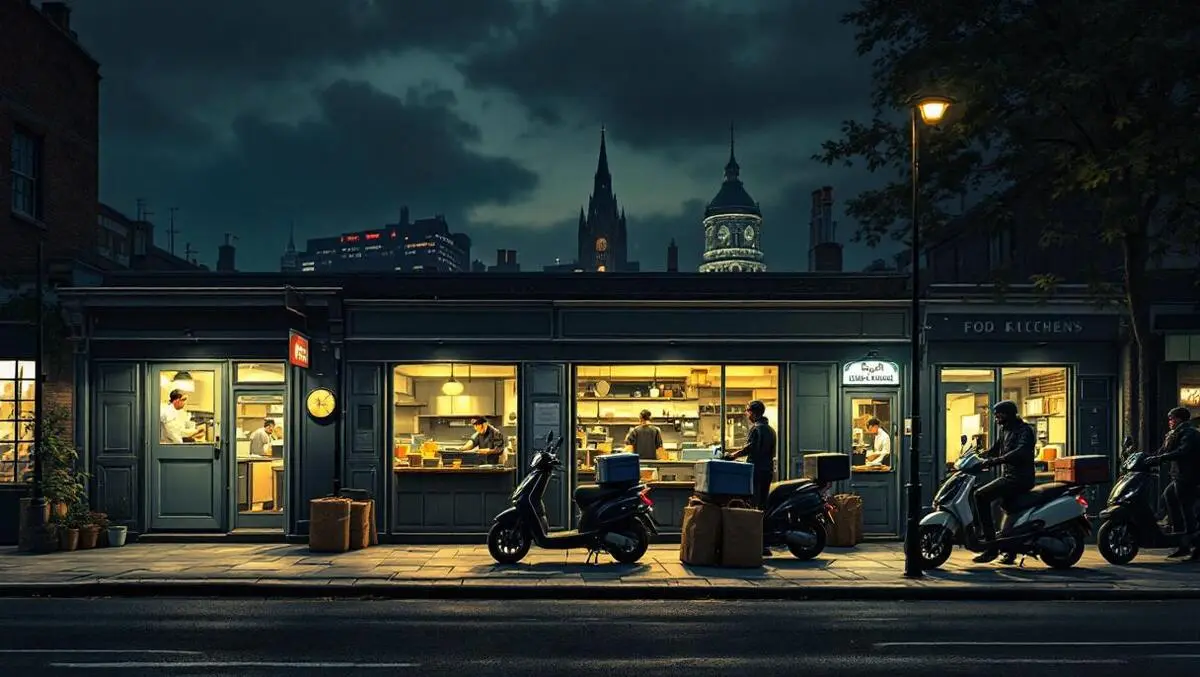
The London-based company works with restaurant brands on delivery-only expansion through a network of more than 400 partner kitchens across the UK. It positions the model as a way for independents to reach customers outside their immediate catchment area without opening traditional sites, allowing them to become national franchises within months.
The milestone comes as hospitality businesses prepare for a fresh round of cost pressures in April. Operators across the sector have warned that labour, energy, rent and supply costs are squeezing margins, particularly for smaller groups and single-site restaurants. Many have looked to grow sales through takeaway and delivery, while reassessing menus, staffing levels and opening hours.
Sessions was founded in 2020 by Dan Warne, a former managing director at Deliveroo. Warne helped scale Deliveroo in its early years, growing the business from a small team into one of Europe's fastest-growing companies at the time, the company said.
Under Sessions' model, brands can add new delivery-only locations by joining its partner kitchen network. Sessions provides operational systems that connect ordering, menus and stock across sites, according to information shared by the business. It also uses internal tools to track consumer demand and food trends, using the data to decide which brands to expand and where to place them.
Virtual expansion
The delivery market remains competitive, with major platforms continuing to invest in logistics, retail and subscription offers. At the same time, restaurants are looking to improve unit economics, including through delivery-only sites and shared kitchens that can lower upfront capital expenditure compared with full-service openings.
Sessions argues its approach can widen distribution for smaller operators with strong local followings but limited ability to fund multi-site rollouts. Some restaurant owners remain cautious about delivery because of fees and concerns over brand experience. Operators have also debated whether delivery growth increases competition in local markets by widening consumer choice.
Warne framed delivery as a growth channel for independent operators rather than a risk to dine-in trade.
"We truly believe that independents have the opportunity to expand as digital restaurants, and we want to champion new pioneers in the hospitality industry by partnering them with our network of delivery kitchens nationwide so they can expand beyond their physical sites. It's a really tough industry to be in at the moment, but delivery, combined with sessions distribution power, has removed the constraint of the four walls of the restaurant," said Dan Warne, Founder and CEO, Sessions.
Sessions points to its work with brands such as SoBe Burger and Mikos Gyros as evidence that delivery-only formats can scale quickly. It said SoBe Burger began as a residency at a London brewery and has expanded to more than 200 locations. The company also said the brand has served 9.4 million burgers and recorded a 19% month-over-month increase in orders.
The company said Mikos Gyros went from launch in late September to 100+ live sites by November. Over the past 12 months, Sessions said it helped launch more than 200 delivery sites and 15 new franchise sites across its network.
Technology focus
Sessions said its platform combines order management with menu and inventory controls, alongside an internal system that tracks food trends and consumer demand signals. It said the technology helps standardise operations across different kitchens and locations, improving consistency for brands running delivery-only sites.
These systems have become a key investment area for delivery-centric food businesses as they balance growth with tighter cost control. Operators often face complexity when running multiple brands across locations, including training, procurement, menu changes and service levels. Centralised software can reduce manual processes, although execution still depends on kitchen operations and local staffing.
Sessions' portfolio includes SoBe Burger and Little Bao Boy, and it has worked with international brands including Ivan Ramen, according to the company. It also partnered with Netflix on themed delivery menus linked to Squid Game and Stranger Things, generating 56,000 orders in the first three months after launch, it said.
Warne said the market backdrop has made traditional restaurant growth harder, while delivery-only expansion can move faster.
"Restaurant expansion is hard. Sessions make it easy. Whilst the hospitality industry is in serious trouble with rising costs and thin margins, our model provides passive income to Founders through leveraging their brand IP at scale. Delivery is a vast opportunity for independents when combined with Sessions' distribution network," said Warne.