Self-driving cars stories
NVIDIA's next-generation in-vehicle computing platform, DRIVE Thor, is being adopted by major companies to transform transport, ranging from cars to autonomous delivery vehicles.
AI-driven trends spearhead seismic shifts in the security industry, with AI-led video technology redefining the landscape, moving beyond passive observation to proactive solutions by 2024.
SAPEON unveils the X330 AI semiconductor, improving data centre performance and enabling AI NPUs for high-powered edge devices.
Pure Storage enhances its AI storage offering and continues to support global AI deployments with reliable access to data and streamlined infrastructure.
The autonomous vehicle market is booming, with 745,705 units expected by 2023, up from 137,129 in 2018, mainly in North America, China, and Europe.
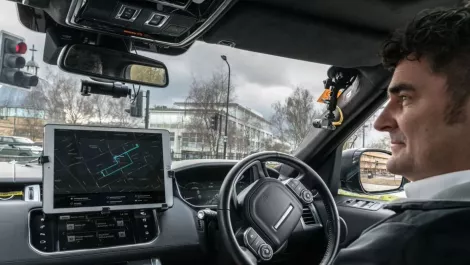
The UK is spearheading global standards for high-definition mapping crucial for the safe deployment of self-driving vehicles, aiming for wide-scale use by 2030.
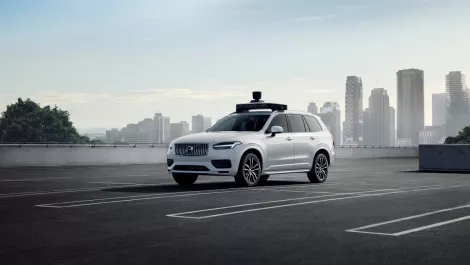
Volvo and Uber lift the curtain on a self-driving Volvo XC90, marking a significant milestone in their quest to revolutionise autonomous ridesharing.
Fujitsu and Autonomic join forces to offer fast and flexible mobility-as-a-service solution to the automotive industry.
A new study has found that consumer preference for riding in self-driving cars is set to double within the next five years.
Cognata teams with NVIDIA to enhance AV simulation, using AI to develop realistic traffic scenarios on the powerful DRIVE Constellation platform.
The cloud-based platform enables millions of miles to be driven in virtual worlds across a broad range of scenarios.
Australian researchers are studying insect and rodent brains to enhance AI capabilities in autonomous vehicles, aiming for cognitive flexibility and efficiency.
Huawei has announced a range of new products for the intelligent edge aiming to help enterprises with their digital transformation journeys.
Pure Storage's regional vice president discusses how a self-driving data centre is self-managing, optimising, and restoring - much cooler than a car.
From the first on-board computer in 1981 to today's AI advancements, the car's journey underscores a digital revolution in automotive technology.
HAVAL unveils the P8, its first plug-in hybrid, set to debut at Auto China 2018 under the luxury brand WEY, promising 250kW output and impressive features.
More than 35 companies have joined planning for the project, which aims to make Western Sydney’s 280-hectare site a testbed for autonomous vehicles.
Automation is becoming a priority for commercial real estate firms, even as many still rely on spreadsheets and play catch-up on digital tools.
Global study finds people disagree sharply over who driverless cars should save in an unavoidable crash, exposing ethical hurdles for regulators.
A new autonomous driving research project may help reduce the number of accidents NZ roundabouts in the future according to a local spokesperson.