Energy sector stories
Offshore energy firms could slash travel-linked training emissions by 97.4% if suitable mandatory courses move into AI-powered virtual worlds.
Nearly a third of Gen Z employees in high-growth sectors are using AI at work without telling bosses, as UK firms struggle to set clear rules.
Delays in technology planning can leave energy buyers and sellers facing higher costs, slower synergies and disruption on day one after completion.
The British firm will soon double its collection capacity, letting customers track assets and infrastructure worldwide day and night.
Workers at VIDA Bioenergy's Wormslade plant now carry one device for gas detection, lone-worker alerts and communications amid fire and exposure risks.
The real test is whether AI resolves customer issues first time, rather than simply speeding up a queue or shifting frustration elsewhere.
The app aims to let users pay, sign contracts and buy goods in one chat thread, as Vowat expands beyond its electricity-sector roots.
The new funding will help the New York company expand its AI tools as employers struggle to keep frontline hires through onboarding and compliance.
Attackers could exploit gaps in connected energy devices and grid links unless utilities, manufacturers and regulators improve practical resilience, experts said.
Despite pay rises, 38.8% of European and 37.8% of US permanent data centre staff expect to switch employers within a year.
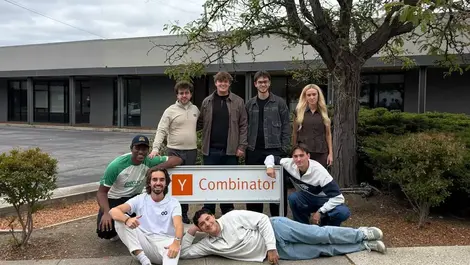
The move broadens access to its AI software for infrastructure operators, after Invertix raised €1.7 million in pre-seed funding and expanded beyond energy.
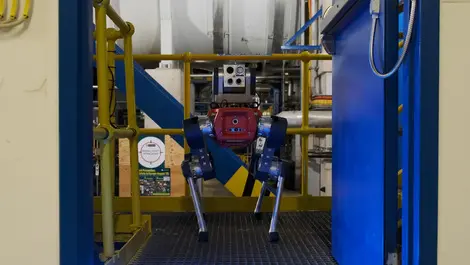
The upgrade lets inspection robots reach critical plant assets behind locked doors, cutting manual work while keeping security and fire controls intact.
Energy retailers could cut margin leakage and speed pricing decisions as Gorilla's new AI features plug into its commercial data engine.
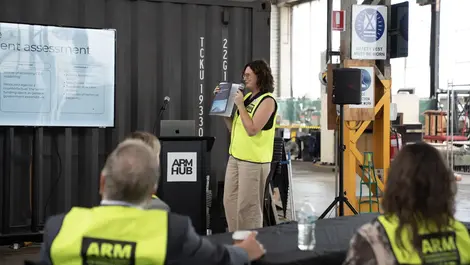
Manufacturing NFP, ARM Hub, welcomed politicians, public servants, start-up founders and media for their Industry Day held in Northgate, Queensland.
As copper lines are retired, exposed voice devices on IP networks are becoming a bigger target for toll fraud, scanning and ransomware.
The governance shift gives New Zealand infrastructure employers direct influence over training as persistent skills shortages bite across key sectors.
With household power bills still under strain, retailers are automating routine queries to lower service costs without sacrificing human support.
More than 4.2 million homes with rooftop solar could gain safer grid connections as the new framework lets devices and operators verify identities.
Renewed appetite for new equity issues in New Zealand is set to be tested by the solar developer's first major float in about five years.
Security concerns are driving a split over autonomous AI, with 46% of middle managers wanting human oversight on sensitive IT fixes versus 24% of executives.