AMD stories
Businesses deploying chatbots and AI agents could cut serving bills as the open source project adds production tools for shared infrastructure.
Technology firms now face pressure to build systems that can act safely and predictably in the real world, not just score well on benchmarks.
The new agreement could cut integration risk for data centre operators as AI infrastructure pushes demand for short-reach links and multi-vendor compatibility.
The moves broaden AMD's reach from chips into AI model research and inference design as rivals race to control more of the technology stack.
Enterprise buyers get more deployment options as Dell adds AMD-based servers, modular systems and rack-scale infrastructure for AI workloads.
Supply constraints and tighter scrutiny could hit lead times, pricing and order fulfilment across the AI chip market if disruptions persist.
Researchers and AI operators get a lower-memory option in AMD's Helios platform, as the MI450X joins the MI400 line-up with 288GB of HBM4.
Customers running dense AI and supercomputing racks could cut storage spending by up to 82% and gain simpler liquid-cooling oversight.
The new line aims to cut board-level security complexity for defence, infrastructure and fintech customers facing physical chip attacks.
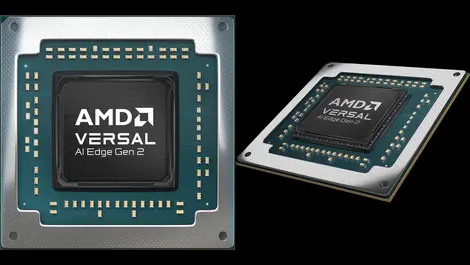
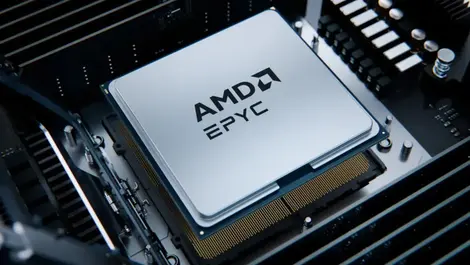
The new chips are already shipping from major hardware vendors as AMD targets heavier AI and cloud workloads in the data centre.
The new capital will fund engineering and sales expansion as PuppyGraph 1.0 goes live for enterprises needing AI agents to query data in place.
SMBs now face a more consequential hurdle than access: choosing AI tools that fit their needs, budgets and day-to-day workflows.
Rising AI power demand and grid delays are pushing operators to upgrade electrical systems as the market is forecast to reach USD $107.06 billion by 2034.
Businesses handling sensitive AI data can now run Kubernetes workloads inside trusted execution environments with added attestation and key controls.
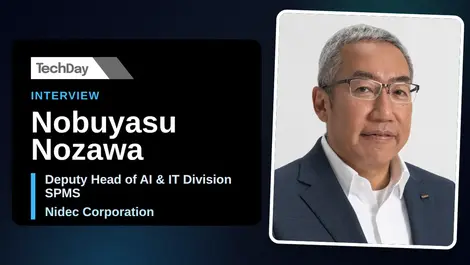
Cooling capacity is becoming a key battleground as Nidec prepares a 3.2MW unit and a 6.4MW twin-skid version for AI data centers.
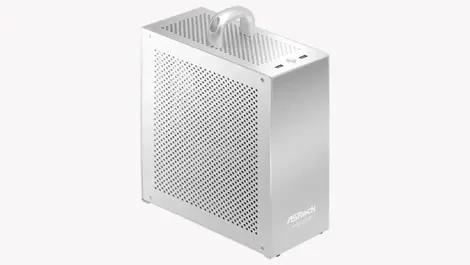
The new 16-core machine lets developers and creators run AI models locally in a compact chassis, starting at USD $4,579.
The move gives businesses running sensitive AI workloads hardware-enforced protection for prompts, model weights and intermediate data in Google Cloud.
The new service targets higher costs and slower deployment for teams building models for robotics, manufacturing, biology and defence.
Engineering teams can now automate verification and manage product variants more easily as the latest MATLAB and Simulink release adds AI tools.
The update lets businesses run sensitive AI workloads inside verified trusted execution environments on Kubernetes without exposing data or models to operators.