

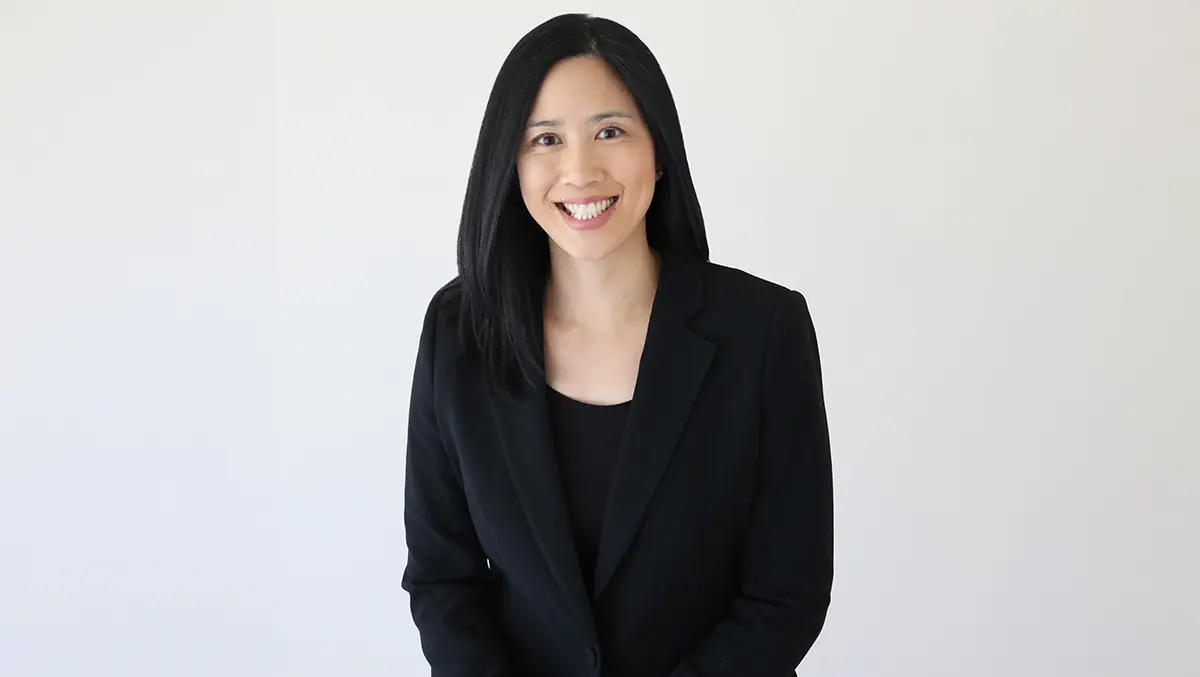
For International Women's Day, Jo-Ann Foo, Senior Director at Analytic Partners, makes the case that a career pivot isn't a setback - and that for women in data and analytics, the most important skills to develop are the ones no algorithm can replace.
When I finished my business degree - double majoring in marketing and accounting - marketing analytics wasn't really a thing. Analytics degrees didn't exist. If you loved numbers and you loved marketing, the most natural landing spot was market research. So that's where I went.
What I didn't know at the time was that the combination of skills I'd assembled - the commercial thinking from a marketing major, the financial literacy from accounting - was quietly setting me up for a field that hadn't been invented yet. That's a funny thing to sit with. I wasn't training for my career, but I was training for the preconditions of it.
I think about this a lot when I speak with women who are earlier in their careers, or thinking about where they want to go, because the pressure to have a plan is enormous - especially if you spend too long on LinkedIn. But some of the most important preparation you can do is for a destination you can't see yet.
Something I think is really important to share is that a career pivot doesn't have to be a setback, but a strategic move.
Most careers involve change. Industries shift, new fields emerge, life circumstances evolve. For women especially, navigating that change often means making moves that don't look linear on paper. Most of us will have to take a sideways step, pivot into something adjacent or undertake a period of recalibration. This recalibration often involves juggling societal, biological and career considerations.
That's something I didn't fully appreciate early on, but I understand it now. Where you work matters as much as what you're doing. It's important to understand whether your business is set up to support these recalibrations, and what your plan may be if they don't.
I've found businesses that served me best were the ones with a flatter structure, an entrepreneurial mindset and a genuine willingness to let people grow into new things rather than keeping them in a lane. These businesses gave me exposure to client conversations I wasn't technically ready for, trusted me to take on new responsibilities before I'd asked for them and created space to learn by doing.
I've been fortunate to experience this across multiple markets, where adapting to new cultures has added both challenges and some amazing life experiences. That's not a small thing - that's how careers, and you as an individual, actually develop.
For women thinking about where to build their career, particularly in data and analytics, I'd say this - choose the environment as carefully as you choose the role. Look for businesses that open doors rather than manage traffic through them.
Which brings me to my current role at Analytic Partners. At our company's 25th anniversary gathering last year I heard firsthand the story of its founding by Nancy Smith, who still runs the business today. It's genuinely extraordinary.
Building a global business from scratch, particularly in a field that was only just beginning to take shape, is impressive on any measure. But hearing about how she navigated those crucial, vulnerable first years of the company - a full-time family in itself for most founders - AND having young children really stayed with me.
I'm a mother now and I don't think anyone truly understands the juggle until you're in it. There's a version of "women in leadership" that is mostly about optics - a face on a website, a name in a press release. What I've experienced is something different.
Having women in leadership means being understood. It's knowing that they may have gone through the same life stages, made the same trade-offs and built careers on the other side of them. That's not representation as a talking point, it's support as a structural reality.
I'm now a manager myself and I think about this from the other direction. The thing I try hardest to give the people I work with is directness - real feedback - the kind that actually helps rather than the kind that's just comfortable to deliver. I'd rather someone hear something difficult from me in a conversation than figure it out the hard way later. I want to give them the support I've been so lucky to have throughout my career.
I also try to stay genuinely curious about where people want to go and to create space for them to get there - even if it looks different from how their role was originally defined, because I know how much that mattered for me. The best professional environments I've been in weren't ones where someone formally mentored me through every step, they were ones where I was trusted, given room and supported to figure it out.
For International Women's Day, the message I'd want to leave with any young woman thinking about a career in data, analytics, or any adjacent space is simple: Don't wait until you feel ready or until the path is clear. The most useful thing you can build right now isn't a five-year plan - it's a disposition. Be curious. Be comfortable not having all the answers. Be willing to move.
The technical skills matter. But the women who will make the most of this field, and the ones I most want to work with, are the ones who can think commercially, ask better questions and stay genuinely interested in what's changing around them. Those traits won't expire, no matter what industry changes we may face.
I was building the foundations for my career before I knew what my career was. So stay open. The rest tends to follow.