

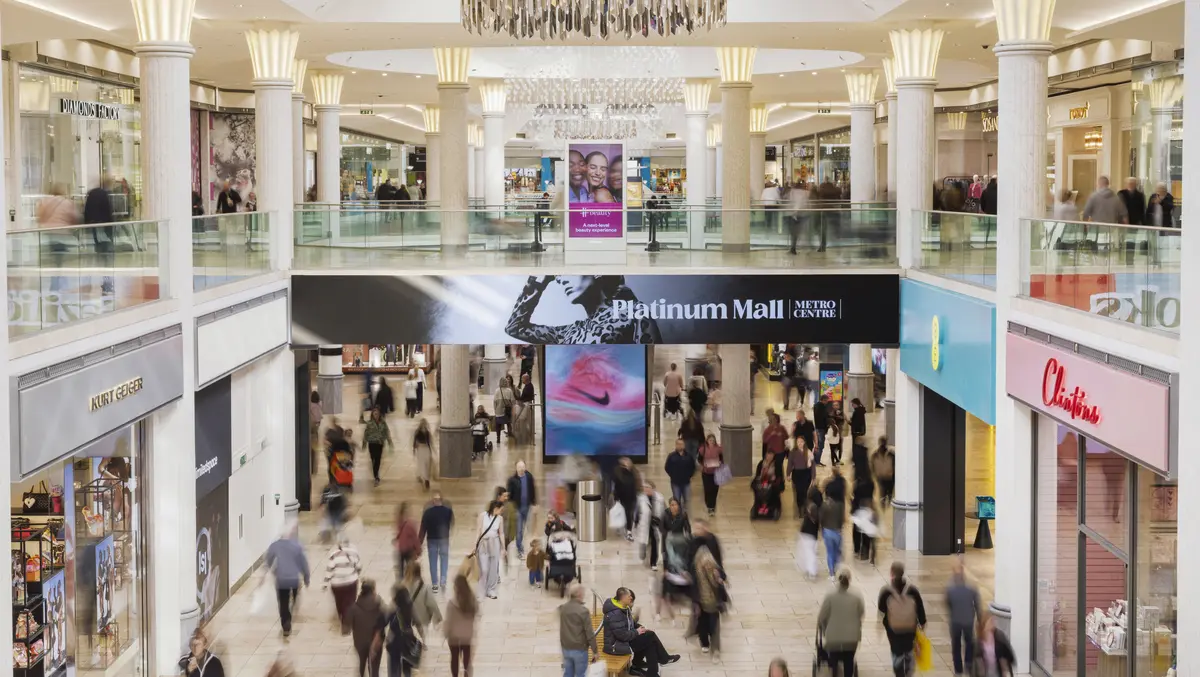
Metrocentre completes digital makeover with ADI screens
Mon, 7th Sep 2026.webp)
Metrocentre has completed a decade-long digital transformation programme with ADI across its Gateshead retail destination, introducing an integrated network of digital screens across one of the UK's largest shopping centres.
The estate includes external LED displays, internal large-format installations and six digital banner screens along key mall routes. The screens are used for both advertising and direct communication with visitors, including promoting events, campaigns and on-site activity.
Opened in the mid-1980s, the retail destination covers two million square feet and is home to 270 retailers. It attracts about 17 million visitors a year, creating a large audience for both brands and the centre's own messages.
Digital estate
The project reflects a broader shift in retail property, where digital infrastructure is increasingly treated as part of the built environment rather than an add-on for media sales. At Metrocentre, that has meant positioning screens to support visitor information, seasonal programming and commercial campaigns while fitting the venue's visual character.
External displays serve as digital out-of-home advertising sites while also giving the centre a direct route to visitors before they enter the building. Metrocentre reserves 20% of screen time for its own content, allowing it to publicise in-centre events and experiences to people who may not follow its social media channels.
Inside the complex, larger LED installations support brand campaigns as well as centre communications. The more recent addition of six banner screens extended that network across high-traffic mall routes.
"Today we're 40 years old and as you walk through these malls now with the level of AV that we have and with the changes we've got coming through, you'd never, ever guess the age of this centre. Partnering with ADI to do it, we've seen massive, massive benefits - providing so much energy, theatre and engagement to our consumers," said Gavin Prior, Centre Director at Metrocentre.
He also described the importance of integrating the displays into the venue's design. "If you look at those screens, they feel absolutely fundamentally part of the fabric. So we have worked really heavily with ADI to produce the right screens in the right location, giving the right messages."
Structural challenge
Installing modern digital displays in a centre designed decades ago brought structural constraints. Metrocentre and ADI said they addressed those issues through ADI's MT LED series, a lighter and slimmer display format developed by the supplier.
According to ADI, the panels are 50% lighter and slimmer than traditional displays. That reduced the need for heavier support structures in both internal and external areas while also lowering energy use.
Drew Burrow, Head of Bespoke and Creative Sales at ADI, said the design was suited to long-term projects in established venues. "The longevity of this product makes it well suited to long-term venue developments. The MT series allows us to provide retail destinations with a reliable and more sustainable product that delivers exceptional image quality while fitting discreetly into existing architecture."
Beyond advertising
Metrocentre said the business case for the screens goes beyond media income. The network is managed centrally, allowing operational teams to update content quickly in response to retail launches, events, takeovers and seasonal campaigns.
That flexibility matters in a destination of Metrocentre's size, where information can change quickly across multiple malls and public areas. Screens can be used to tell visitors what is happening in real time, including where activity is taking place and how spaces are being used.
The centre pointed to events such as Summer of Sport as examples of how the estate can support programming beyond standard advertising slots. In those cases, the displays become part of the public event set-up, carrying live content, branding and visitor information.
The project also illustrates how older shopping centres are trying to remain relevant as retail destinations broaden their offer beyond shops alone. Property owners have increasingly looked to events, leisure, food and visitor services to keep footfall high, and digital screens have become one way to tie those strands together.
For Metrocentre, the approach has been to make digital infrastructure part of the venue's operation rather than a separate media layer. That includes balancing advertising revenue with communication needs for occupiers and the centre itself.
Prior said the partnership had reshaped the centre's screen network over time. "ADI have worked closely with us to transform Metrocentre's DOOH portfolio. The impactful large-format screens provide a platform for the centre's self-promotion and brand communications, alongside acting as premium sites for revenue-generating media campaigns."
He added: "As we continue transforming and futureproofing Metrocentre, ADI have been a valued partner for innovation and digital integration over many years. They provide the expertise and understand our vision for the centre, and the experiences, environments, and revenues we want to drive forward."