

.webp)
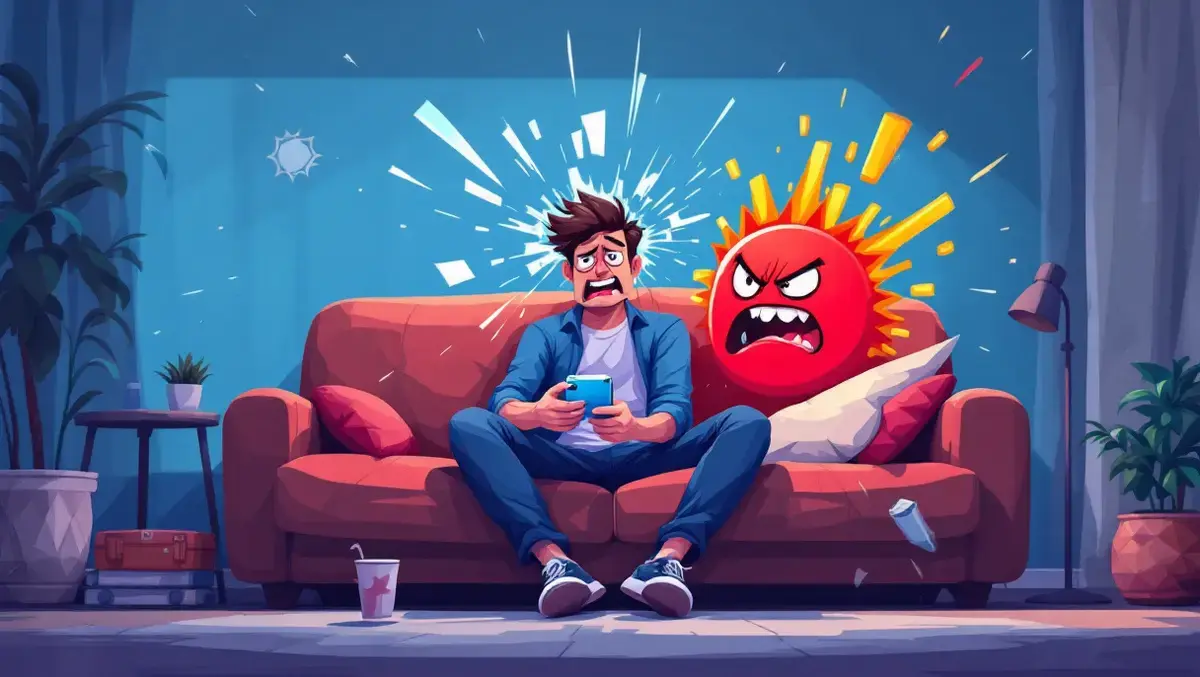
Clash Royale has launched a contest to create its first Rage Emote, alongside new research into how and where players rage quit.
The mobile game commissioned a survey of 9,000 gamers across seven markets: the UK, US, France, Germany, Brazil, Australia and Mexico. It found that 85.1% of players who rage quit enjoyed the game more when they returned.
More than half, 53%, resumed gaming within 30 minutes of quitting in frustration, while nine in 10 returned later the same day.
The findings suggest frustration is often short-lived rather than a sign that players are abandoning a title. The study also found that 39% of gamers who had rage quit had done so in public.
Public behaviour
Public outbursts varied sharply by market. In the UK, 31.5% of public rage quitters said it happened in a pub, the highest share recorded in the survey.
British players were also more likely than those in other markets to vent verbally rather than post footage online. Some 20.8% said they had ranted to a friend and 17.2% had screamed into a pillow, both the highest proportions among the countries surveyed.
In the US, the pattern was different: 55.6% of American rage quitters said they would be willing to post a clip of the moment.
Among younger players, public frustration appeared more common. The survey found that 46% of Gen Z respondents had experienced game rage in public, including 43% at school or university, 30% on the bus and 24% while queueing.
Why players quit
The data points to competition and emotional investment as the leading triggers. Globally, 31.1% of respondents said they rage quit because they wanted to do well, 22.1% said it was because they cared about the game, and 21.9% linked it to protecting a winning streak.
Rates of rage quitting differed across markets. Brazil recorded the highest level, with 77% of gamers saying they had rage quit, while Mexico had the lowest share at 59%.
France emerged as the least visibly irritated market in the study. Just 2% of French gamers said they regularly felt annoyed while gaming.
Germany stood out on competitiveness. Only 19% of German players said they regularly felt competitive when gaming, the lowest figure in the survey.
Return to play also varied by country. Mexico recorded the highest share of players who said they enjoyed the game more after returning, at 90.5%, while Germany ranked lowest among the seven markets at 74.4%.
Creator influence
The survey also examined the role of online personalities in shaping gaming behaviour. Among Gen Z players, 40.7% said creators had influenced them to rage quit.
IShowSpeed was named by 32.3% of Gen Z respondents as the leading online figure associated with gaming rage quits, well ahead of AngryGinge on 12.8%.
The figures underline how gaming culture increasingly extends beyond play itself into reaction clips, creator content and social sharing. For some audiences, frustration is no longer just a private moment between player and screen, but part of a wider entertainment loop.
Season launch
The contest is tied to Clash Royale's Viking Season, an in-game update that adds the heroes Valkyrie and Berserker, along with a new evolution. Players are being asked to submit short clips of their most memorable rage moments, with the winning audio turned into an in-game emote.
Supercell, the Helsinki-based developer behind Clash Royale, is using the campaign to tap into a familiar part of competitive play without presenting rage quitting as the end of the relationship between player and game. Instead, the survey portrays it as a pause before players return.
"The research lands alongside Clash Royale Viking Season, where the game will invite users to submit their wildest rage clips for the chance to become the game's first-ever Rage Emote."