

Searches for AI skincare surge 2,647% as tools grow

Searches for "AI skincare" rose 2,647% over the past year, according to Fresha, reaching 733,000 in the past month.
The figures suggest a sharp rise in interest in beauty tools that use image analysis, app-based learning and other forms of artificial intelligence to tailor skincare advice and at-home treatments.
According to Fresha, a beauty and wellness booking platform, the products attracting attention fall into several broad categories: skin analysis and selfie-scanning tools, product recommendation platforms, smart skincare devices and more advanced systems that aim to assess how skin may respond to ingredients over time.
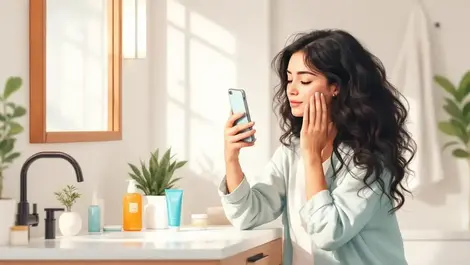
Selfie-based tools typically ask users to upload a photo or complete a face scan. They assess visible features such as skin tone, texture, pores, blemishes and fine lines before suggesting products or routines.
Other services work more like recommendation engines, combining face scans, questionnaires or user profiles to match shoppers with products based on their concerns. In the device category, app-connected tools can adjust treatments based on user input or biological feedback gathered during use.
Rising Interest
The increase in searches comes as consumers face a crowded skincare market and a constant flow of advice on social media, retail sites and brand platforms. The appeal of software-led guidance lies in the promise of more personalised recommendations and quicker decisions without a full consultation.
Danielle Louise, a beauty expert on the Fresha app, said consumers are looking for help cutting through a large volume of products and claims.
"AI skincare is taking off because it promises two things beauty consumers want right now: personalisation and convenience. People are faced with thousands of products, so anything that claims to make skincare feel more tailored instantly becomes appealing. But AI skincare is also being misunderstood. A lot of these tools are designed to support skincare decisions, not replace proper expert advice. Some can be useful for helping people narrow down products or better understand their routine, but they should not be treated as a shortcut to diagnosing more serious skin concerns," Louise said.
The category spans everything from simple recommendation tools to more ambitious systems that claim to track or predict skin changes. That breadth may help explain both the rise in consumer attention and the confusion over what the technology can realistically do.
Useful Limits
Fresha said the most practical uses for current AI skincare products are narrowing product choices, making routines feel more tailored and adding structure to at-home care. For consumers who find skincare shopping difficult, those functions may provide a more manageable starting point.
"The appeal is obvious. Consumers want help cutting through the noise, and AI skincare suggests something more tailored than a generic routine. For people trying to work out where to start, these tools can make skincare feel more approachable and less overwhelming. Where they are strongest right now is in support. They can help guide product selection, make routines feel more personalised and, in some cases, improve how people use at-home beauty devices," Louise said.
That distinction between support and diagnosis is central to the market's development. While beauty brands increasingly present AI as a way to individualise skincare, experts continue to draw a line between cosmetic advice and clinical assessment.
Fresha said consumers should be more cautious if they are dealing with persistent acne, rosacea, unexplained irritation, sudden pigmentation changes, ongoing inflammation, skin barrier damage, or painful symptoms that are spreading or worsening.
"The danger is when consumers start believing a smart beauty tool can tell them everything they need to know about their skin. It cannot. AI can help with routine building, product guidance and at-home support, but it still has limits. If someone is dealing with chronic breakouts, inflammation, sensitivity or sudden changes in their skin, that is where proper human expertise matters. The best way to view AI skincare right now is as a beauty support tool, not a replacement for expert judgment," Louise said.
Broader Shift
The jump in search activity also reflects a broader shift in beauty towards tech-led personalisation. As consumers become more selective in their spending, products that claim to reduce trial and error may draw attention even when the underlying tools remain limited in scope.
Louise said the attraction lies in the idea that skincare can feel more individual without requiring an in-person session every time a user wants advice.
"Consumers are becoming more selective about what they buy, but at the same time, they are being exposed to more products, more trends and more advice than ever. That is why AI skincare feels appealing right now. It suggests a more tailored route through all that noise. What is really driving interest is the idea that beauty can now feel more individual without needing a full in-person consultation every time. That is a powerful sell, especially in skincare, where people are often trying to solve very specific concerns rather than follow a generic routine."
As more brands introduce AI-led tools, trust is likely to depend on how clearly they explain the difference between convenience and expertise, and whether their products stay within those limits.
"The strongest products in this space will be the ones that support better choices without overpromising. Consumers want tools that are clear about what they can actually help with. AI can absolutely play a role in the future of beauty, but the brands that win trust will be the ones that use it to support consumers, not mislead them," Louise said.